How Coastal Weather Impacts Marble Floors In Santa Monica And Malibu
Living near the coast in places like Santa Monica and Malibu brings constant exposure to salty air, moisture, and shifting temperatures. These natural elements can slowly dull the shine and weaken the surface of your marble floors.

Coastal weather accelerates wear on marble by introducing salt and humidity that penetrate the stone’s pores, causing etching, staining, and surface erosion over time.
You might notice a cloudy film, small pits, or uneven texture forming on your floors even with regular cleaning. The combination of ocean breeze and high humidity makes marble more vulnerable than it would be in inland areas. Understanding how these conditions affect your floors helps you take the right steps to preserve their natural beauty.
Famous Marble specializes in restoring and protecting marble surfaces across Los Angeles’s coastal communities. By using professional polishing, sealing, and repair techniques, you can maintain the smooth finish and durability your floors were designed to have—no matter how close you live to the ocean.
Coastal Weather Impacts on Marble Floors in Santa Monica and Malibu
Marble floors near the coast face unique wear from salt-laden air, changing humidity, and temperature swings. These conditions gradually affect the stone’s color, texture, and polish, making regular maintenance essential for long-term appearance and durability.
Salt Air and Moisture Effects
In Santa Monica and Malibu, salt air carries fine particles that settle on marble surfaces. Over time, these salts can penetrate the stone’s pores, leading to subtle etching and a roughened texture. When combined with moisture from sea breezes, the risk of corrosion and mineral buildup increases.
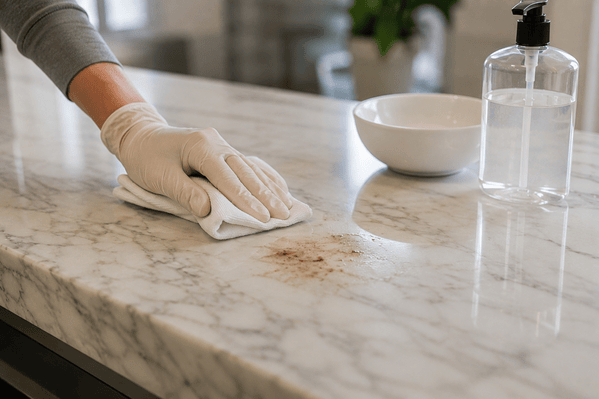
You may notice a thin film forming on polished marble. This residue dulls the surface and can trap grime, making cleaning more difficult. Regular rinsing with fresh water and prompt drying help slow this process.
Preventive tips:
- Use a high-quality penetrating sealer rated for coastal environments.
- Schedule periodic professional cleaning to remove salt deposits.
- Avoid acidic cleaners that worsen etching.
Humidity and Temperature Fluctuations
Coastal homes experience frequent humidity changes and mild but steady temperature shifts. Marble, being porous, absorbs and releases moisture with the environment. This expansion and contraction can cause micro-cracks or loosen grout over time.
In areas with poor ventilation, trapped humidity may also promote mildew growth on grout lines or under tiles. Maintaining stable indoor conditions reduces these effects.
You can protect your marble floors by:
- Installing dehumidifiers in enclosed spaces.
- Ensuring proper airflow near floor level.
- Using mats or rugs in high-moisture areas such as entryways.
Proper climate control not only preserves marble’s structural integrity but also helps maintain its natural polish.
Staining and Surface Dulling from Environmental Exposure
Outdoor air in Malibu and Santa Monica often contains fine dust, organic debris, and pollution particles. When these settle on marble floors—especially in open or semi-enclosed areas—they can cause staining and surface dulling.
Moisture amplifies this effect by drawing contaminants deeper into the stone. Even small spills of seawater or plant runoff can leave mineral traces that discolor light-colored marble.
To minimize staining:
- Clean surfaces promptly with a pH-neutral cleaner.
- Reapply sealant at least once a year.
- Use soft microfiber mops instead of abrasive pads.
Consistent care keeps the marble’s surface smooth, reflective, and resistant to environmental wear.
Professional Marble Restoration Solutions by Famous Marble
Coastal conditions in Santa Monica and Malibu expose marble floors to salt air, humidity, and sand abrasion. These factors dull the surface and weaken the stone over time. Famous Marble uses specialized restoration methods and protective treatments to restore shine, repair damage, and prevent future deterioration.
Marble Restoration and Polishing Process
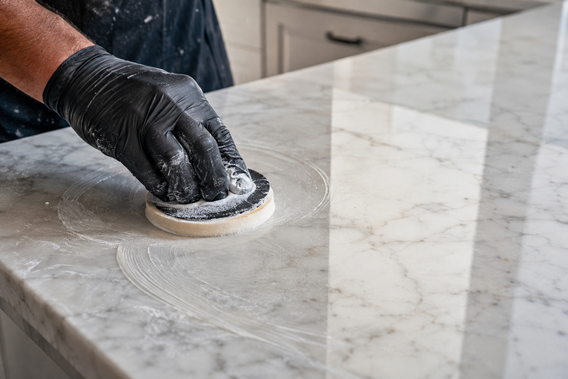
Famous Marble Restoration begins with a detailed inspection to assess etching, stains, and surface wear. Technicians use diamond abrasives and progressive grit polishing to remove imperfections and restore a smooth, reflective finish.
The process often includes:
- Deep cleaning to eliminate embedded salt and grime.
- Grinding and honing to level uneven surfaces.
- Polishing with professional-grade compounds for a consistent sheen.
- Sealing to reduce moisture and salt penetration.
Each step uses equipment designed for natural stone, ensuring even results without over-polishing. This method restores the marble’s clarity and enhances its durability against daily use and coastal exposure.
Benefits of Professional Marble Polishing in Coastal Areas
In coastal cities like Santa Monica and Malibu, airborne salt and humidity accelerate surface corrosion. Professional marble polishing removes these deposits and creates a dense, smooth surface that resists staining and dulling.
You gain several advantages from routine polishing:
- Improved appearance: Restores natural color and reflective quality.
- Protection: Reduces the impact of saltwater residue and sand abrasion.
- Easier cleaning: Polished marble repels dirt and moisture more effectively.
Famous Marble Restoration uses premium products and controlled techniques to maintain the stone’s structural integrity. Regular service helps your floors retain their original finish longer, even in high-moisture environments.
Preventative Maintenance and Sealing for Longevity
Preventative care extends the lifespan of marble floors exposed to coastal air. Famous Marble applies penetrating sealers that block moisture absorption and reduce the risk of salt damage.
You should schedule periodic resealing based on traffic levels and exposure. Wiping spills promptly and using mats at entryways also minimize surface wear.
A maintenance plan may include:
- Service Recommended Frequency Purpose
- Professional cleaning Every 6–12 months
- Remove salt buildup and grime
- Polishing Annually Maintain shine and smoothness
- Sealing Every 1–2 years Protect against moisture and staining
These steps keep your marble floors resilient, clean, and visually consistent throughout changing coastal conditions.
Frequently Asked Questions
Coastal environments like Santa Monica and Malibu expose marble floors to salt air, moisture, and temperature changes that can dull their surface and weaken sealants. Regular maintenance, sealing, and professional care help preserve the stone’s appearance and durability in these conditions.
How does coastal weather in Santa Monica and Malibu specifically impact marble flooring?
The salty air and high humidity common near the ocean can cause marble to absorb moisture and develop a cloudy or etched surface. Salt particles carried by wind can settle on floors, wearing down the polish over time. Temperature fluctuations may also expand small pores in the stone, increasing the risk of staining.
What are the best practices for maintaining marble floors in coastal areas?
You should clean marble floors frequently with a pH-neutral cleaner and soft cloth to remove salt and sand. Apply a high-quality sealer every 6–12 months to reduce moisture absorption. Keeping indoor humidity balanced with proper ventilation also helps prevent surface dullness and mildew growth.
Can professional stone restoration reverse damage caused by coastal climate conditions?
Professional restoration can often remove etching, stains, and surface wear through honing and polishing. Skilled technicians use specialized tools and compounds to restore the marble’s smooth finish and color. Deep cracks or erosion may require additional repair or refinishing, depending on the extent of damage.
What preventive measures should be taken to protect outdoor marble in coastal regions?
For outdoor marble, use a penetrating sealer designed for high-moisture environments. Rinse surfaces regularly to remove salt buildup and debris. Installing awnings or overhangs helps limit direct exposure to sea spray and reduces the frequency of maintenance needed to keep the stone in good condition.
Are there specific marble cleaning techniques recommended for areas with high humidity and salt exposure?
Use distilled water and a mild, non-acidic cleaner to avoid mineral deposits. Avoid abrasive pads or harsh chemicals that can strip the finish. After cleaning, dry the surface thoroughly to prevent moisture from seeping into the pores and causing discoloration.
How frequently should marble floors be professionally serviced in coastal environments?
In coastal areas, professional polishing or sealing is typically recommended every 6–12 months, depending on foot traffic and exposure. High-use spaces or properties close to the shoreline may need more frequent attention. Regular inspections help identify early signs of wear before they become costly repairs.
You might also like